By Graham Fisher
Updated November 2026
Deciding when to remove baby proofing is less about a birthday and more about how your child moves, climbs and solves problems. Most families weigh three things: developmental readiness, how hard each device is to take off without damaging cabinets or doors, and whether the child can still reach hazards that remain. The picks below are removable-style cabinet and door locks that suit the step-by-step removal most homes go through as a toddler grows.
Our top picks at a glance
- 1
 TOP CHOICEBest overallBenny Bradley's Invisible Baby Proofing Cabinet Locks, Child Safe, 10 PackView on Amazon
- 2
 Best for a full-house setSafety 1st Home Safeguarding and Childproofing Set (80 Pcs), WhiteView on Amazon
- 3
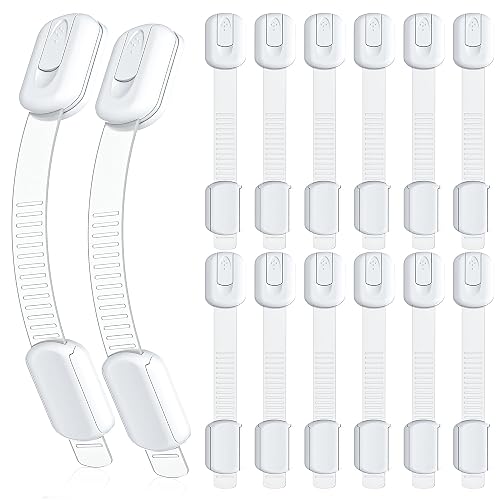 Best for drawers and fridge doorsNo Drill No Damage Set Up, Strong Pre-applied 3M Adhesive Tapes, Fit CView on Amazon
- 4
 Best for interior doorsChild Proof Door Lever Lock (6 Pack) – Baby Proofing Door Handle LockView on Amazon
Our Top Picks
Quick Comparison
| Product | Best for | Key feature |
|---|---|---|
| Benny Bradley’s Invisible Baby Proofing Cabinet Locks, Child Safe, 10 Pack | Overall cabinet control | Invisible 3M adhesive mounting |
| Safety 1st Home Safeguarding and Childproofing Set (80 Pcs) | Whole-house coverage | Mixed devices in one box |
| No Drill No Damage Set Up Cabinet Locks Baby Proofing 14 Pack | Drawers and fridge doors | Adjustable drawer lock |
| Child Proof Door Lever Lock (6 Pack) | Interior door handles | No drilling, minimalist design |
Benny Bradley’s Invisible Baby Proofing Cabinet Locks, Child Safe, 10 Pack
Child safety latches for kitchen cabinets, drawers and dressers; 3M adhesive, no drilling, fits countertop overhangs Benny Bradley’s Invisible Baby Proofing Cabinet Locks, Child Safe, 10 Pack
Best for: Overall cabinet control
This suits families who want to remove locks one cabinet at a time as a child shows steadier judgment around kitchen storage.
Pros
- Adhesive mounts are described as nearly invisible on cabinet faces.
- Ten-pack covers most kitchen and bathroom cabinets.
Cons
- Owners often report that removal can leave residue if the adhesive is not warmed first.
Safety 1st Home Safeguarding and Childproofing Set (80 Pcs), White
Safety 1st Home Safeguarding and Childproofing Set (80 Pcs), White
Best for: Whole-house coverage
This fits households that want one kit to handle cabinets, outlets and doors, so removal can happen room by room.
Pros
- Mixed device types mean fewer separate purchases.
- Consistent white finish blends into most interiors.
Cons
- Manufacturers specify that some parts are sized for specific surfaces, so not every piece will fit every fixture.
No Drill No Damage Set Up, Strong Pre-applied 3M Adhesive Tapes, 4our Kiddies 14 Pack Cabinet Locks Baby Proofing
No Drill No Damage Set Up, Strong Pre-applied 3M Adhesive Tapes, Fit Cupboard, Fridge, Trash Cans&Toilets 4our Kiddies 14 Pack Cabinet Locks Baby Proofing, Adjustable Drawer Lock
Best for: Drawers and fridge doors
Useful for households whose toddler has moved on from cabinets but still gets into drawers, trash cans and the refrigerator. Worth reading next: Baby Proofing for Crawling Baby: Top 3 Cabinet Locks Compared.
Pros
- Adjustable drawer lock handles a range of drawer depths.
- Pre-applied tape means no drilling during setup or removal.
Cons
- Owners often report that heavy drawers can wear through the tape over time.
Child Proof Door Lever Lock (6 Pack) – Baby Proofing Door Handle Lock
Child Proof Door Lever Lock(6 Pack) – Baby Proofing Door Handle Lock, 3M Adhesive & No DrillingNeed, Minimalist Design, Child Safety Door Handle Locks
Best for: Interior doors
Suits families whose child is starting to open bedroom, bathroom or pantry doors and needs a removable stop before a full door-hardware change.
Pros
- No drilling needed, and the minimalist design blends with lever handles.
- Six-pack covers several doors in one set.
Cons
- Manufacturers specify lever-style handles only, so round knobs are not compatible.
Buying Guide
Developmental readiness
Remove devices in stages, starting with the locks your child has shown they can open or misuse. Pediatric safety guidance generally treats a child’s demonstrated skill, not age alone, as the right signal to change the setup.
Removal method
Adhesive locks should come off slowly with gentle heat from a hair dryer, while mechanical locks usually need only a release button. Check the manufacturer’s removal instructions before you start so you do not strip paint or veneer.
Remaining hazards
Keep locks on cleaning supplies, medicines and high-voltage outlets even after other devices come off. Hazards that cause the most serious injuries should be the last to go.
Good picks for this: Benny Bradley’s Invisible Baby Proofing Cabinet Locks and Child Proof Door Lever Lock
FAQ
How do I know my toddler is ready for baby proofing to come off?
Look for steady judgment, such as stopping when told “no” and not climbing to reach high shelves. Still, keep locks on any area with medicine or chemicals until you are confident.
Can I remove adhesive baby locks without damaging cabinets?
Usually yes, if you warm the adhesive with a hair dryer and pull the lock slowly and straight off. Test on an inconspicuous spot first.
Should I remove everything at once?
Most families remove devices gradually, which lets you watch for new risks. Consult your pediatrician if you have concerns about your child’s development.
Conclusion
For most families, the Benny Bradley cabinet locks offer the broadest control, while the Safety 1st set suits whole-house coverage. Drawer and fridge needs point to the 14-pack from 4our Kiddies, and the door lever lock is the easiest choice for bedroom and pantry doors. Start removing the locks your child has outgrown first, and keep the rest in place until you are sure.
Related reading
- Young House Love Baby Proofing: A Room-by-Room Guide for Toddler Homes
- Wonder Years Baby Proofing: A Step-by-Step Guide for Toddler Homes
- Why Baby Proofing Is Important: 5 Hazards It Prevents in Toddler Homes
- Where to Buy Furniture Anchors: 5 Best Picks for Baby Proofing (2026)
- Where to Buy Baby Proofing Supplies: Stores, Tips and What to Look For (2026)
- What to Expect Baby Proofing: A Room-by-Room Guide for Toddler Homes
About Graham Fisher
Graham Fisher is part of our editorial team and reviews and edits our childproofing guides, checking product details against manufacturer specifications and owner feedback.