By Ethan Brooks
Updated November 2026
Baby proofing a cable outlet means securing the cable box, cord and wall plate so a toddler cannot reach, chew, pull or poke into them. Done well, this keeps cords out of reach, stops plugs from being yanked out of the wall, and removes the temptation to put objects into the openings. The steps below cover a quick audit, the fixes that work best, and a few mistakes to avoid.
Check What Your Toddler Can Reach
Start at toddler height, which is roughly 2 to 3 feet off the floor, and look at the cable outlet, its cord and any power strip nearby. Crouch down and look for loose wires hanging from a TV stand, a router shelf or a wall plate. Pay attention to slack cords that run across walking paths, because toddlers pull on anything that dangles.
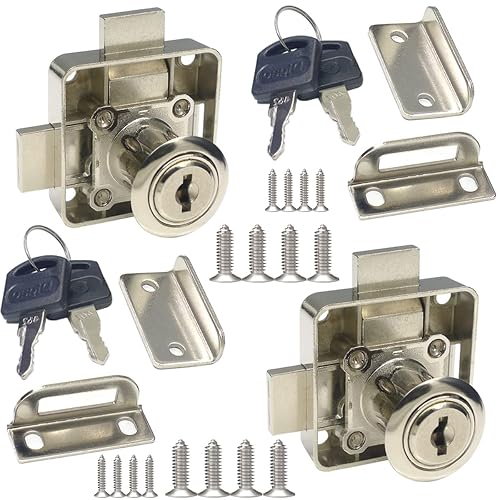
Shopping for one? See our guide: 5 Best Buy Buy Baby Child Proofing Products for Cabinets and Drawers (2026).
Secure the Outlet and Cable Box
Coaxial and cable wall jacks are usually fine once the plate is tight and the cable is supported. Check that the wall plate is firmly screwed in and not wobbling. If the cable box or modem sits on a low shelf, move it higher or behind a closed cabinet door. Many families keep equipment inside an enclosed media cabinet with a vented door, which blocks access while still allowing heat to escape.
For wall outlets that also carry cable pass-through cords, use a childproof outlet cover where the design allows it. Make sure any cover you add does not interfere with the cable connector, since a forced fit can crack the plate or loosen the connection.
Control the Cords
Cords cause most of the trouble with cable setups, so manage them deliberately:
- Keep all cable and power cords at least 3 feet from where your toddler sits, plays or sleeps.
- Tuck slack cord into a cord channel or cable raceway mounted to the wall or baseboard.
- Use cord ties or velcro straps to bundle extra length so nothing hangs down.
- Replace any cord with cracked insulation or exposed copper immediately.
- Route cords behind furniture, not under rugs, where they can fray unseen.
Lock Down the Equipment
Once the cable path is clean, protect the equipment itself. Use a cabinet latch on any door that opens onto the box, and mount the router or modem on a wall shelf out of reach. Keep remotes, cards and small parts in a closed drawer. Toddlers often grab these pieces and try them in the cable jack, which creates a choking and shock risk.
A quick monthly check
| Item | What to check |
|---|---|
| Wall plate | Tight, not cracked, no exposed openings |
| Cable cord | No fraying, no slack on the floor |
| Equipment shelf | Out of reach, locked or enclosed |
| Cord channels | Secure, no gaps where cord can pull free |
Recommended gear
- Cable raceway kit – A raceway hides and holds cords along a wall, so nothing hangs at toddler height. View on Amazon
- Cabinet latch – A latch keeps a media cabinet door closed while you still have quick access. View on Amazon
- Velcro cord ties – Reusable ties bundle extra cable length without damaging the insulation. View on Amazon
Common mistakes
- Leaving cable cords coiled on the floor “for later,” which invites chewing.
- Placing the router or modem on a low shelf that a toddler can climb.
- Forcing an outlet cover onto a cable connector, which can damage the plate.
- Assuming a cable jack is safe because it does not carry the same power as an electrical outlet.
- Skipping the monthly check, since cords loosen over time.
For a broader approach, see Baby Proofing Wires and Outlets: A Step-by-Step Guide for Toddler Homes and Plug Covers Baby Proofing: A Step-by-Step Guide for Every Room. If you are unsure about wiring or a damaged jack, consult a licensed electrician or your cable provider before making changes.
FAQ
Do I need an outlet cover for a cable jack?
Not always. A cable jack does not carry household power, but a cover can still prevent poking and keep the connection stable when it fits the plate properly.
Can I cut cable cords short to remove slack?
No. Cutting a cable cord can damage the signal and the connectors. Bundle or route the extra length instead, or ask your provider about a correct-length cable.
Where should the cable box go in a toddler home?
Place it on a high shelf or inside a closed, vented cabinet, away from the floor and well clear of cords your toddler can reach.
Conclusion
A baby proofed cable outlet comes down to three things: a secure wall plate, cords routed out of reach, and equipment locked behind a door or mounted high. Check the setup monthly and after any rearrangement. Small habits like these keep toddlers away from the wires that cause the most trouble.
Related reading
Ready to choose one?
About Ethan Brooks
Ethan Brooks is part of our editorial team and reviews and edits our childproofing guides, checking product details against manufacturer specifications and owner feedback.