 By Ethan Brooks
Updated November 2026
Parents and caregivers who are childproofing a home often start with one question: which electrical outlet plug safety covers will actually keep small fingers out of the slots without becoming a hassle to use every day? This list compares seven widely sold options, sorted by how well each one fits the common needs we identified. Our selection criteria were product specifications, brand reputation for childproofing gear, and patterns in owner feedback about fit, grip, and removal. We did not physically test these products, and the notes below describe what manufacturers specify and what owners commonly report.
Our top picks at a glance
- 1
 TOP CHOICEBest overallSafety 1st Electrical Outlet Baby Proof Covers, 36 CountView on Amazon
- 2
 TOP CHOICEBest for large homesClear Outlet Covers (50 Pack) Value PackView on Amazon
- 3
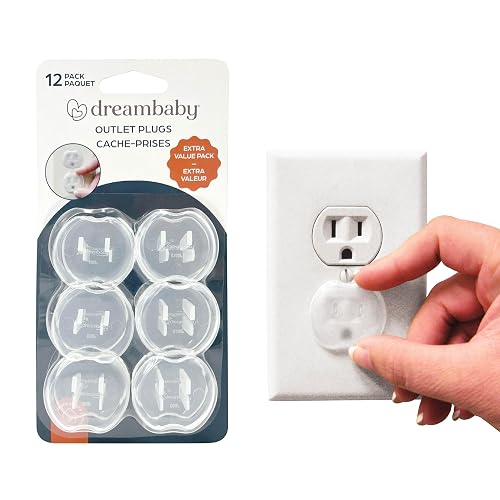 TOP CHOICEBest budget pickDreambaby Plastic Baby Safety Outlet Plug Covers, 12 PackView on Amazon
- 4
 Best for covering every outlet at once65 Pack Outlet Plug Covers, White Baby Proof Outlet CoversView on Amazon
- 5
 Best for cords in useSafety 1st Outlet Cover with Cord ShortenerView on Amazon
- 6
 Best for frequently used outletsSafety 1st OutSmart Outlet ShieldView on Amazon
- 7
 Best for a locked, adult-only approachKey Lock Outlet Cover for Toddler ProofingView on Amazon
Our Top Picks
Quick Comparison
| Product | Best for | Key feature |
|---|---|---|
| Safety 1st Electrical Outlet Baby Proof Covers, 36 Count | Whole-house coverage with one brand | 36 covers in a single pack |
| Clear Outlet Covers (50 Pack) Value Pack | Large homes and rentals | Clear plastic that keeps outlets visible |
| Dreambaby Plastic Baby Safety Outlet Plug Covers, 12 Pack | Budget-conscious households | Smaller pack for a few key outlets |
| 65 Pack Outlet Plug Covers, White | Covering every outlet at once | Largest count, white finish |
| Safety 1st Outlet Cover with Cord Shortener | Outlets with plugged-in cords | Built-in cord shortener |
| Safety 1st OutSmart Outlet Shield | Outlets used every day | Shield-style cover that stays put |
| Key Lock Outlet Cover for Toddler Proofing | Adults who want a locked solution | Key-operated lock |
Safety 1st Electrical Outlet Baby Proof Covers, 36 Count
Safety 1st Electrical Outlet Baby Proof Covers, Secure Outlet Plugs, Baby Proofing, 36 Count
Best for: Whole-house coverage with one consistent product type
This pack suits families who want to cover most wall outlets in a home in one purchase. Owners often describe it as a dependable default when you are childproofing several rooms at once.
Key specs
- 36 count in the listing
- Designed for standard US wall outlets
Pros
- Enough covers for most single-level homes
- Consistent sizing across the pack
- Widely available replacements from the same brand
Cons
- Some owners find the first removal stiff
- Not designed for outlets with cords kept plugged in
Bottom line: A strong choice for parents who want full-house coverage without mixing brands.
Clear Outlet Covers (50 Pack) Value Pack
Clear Outlet Covers (50 Pack) Value Pack – Baby Safety Outlet Plug Covers – Durable & Steady – Child Proof Your Outlets Easily
Best for: Large homes and rentals
Clear covers let you see that an outlet is present without exposing it. This larger count works well for multi-room coverage and for landlords or caregivers who set up several spaces.
Key specs
- 50 covers per pack
- Clear plastic body
Pros
- Outlets remain visible for adults
- Large count for bulk coverage
- Blends into most wall colors
Cons
- Clear plastic can show dust and fingerprints over time
- Thin covers may feel less rigid than heavier designs
Bottom line: Best for households that want many covers and easy visibility of outlets.
Dreambaby Plastic Baby Safety Outlet Plug Covers, 12 Pack
Dreambaby Plastic Baby Safety Outlet Plug Covers – 12 Pack – Outlet Covers Baby Proofing
Best for: Budget-conscious households
A smaller pack is a practical starting point if you only need to cover a handful of outlets, such as those in a nursery, living room, or kitchen. Dreambaby is a long-established name in childproofing accessories.
Key specs
- 12 covers per pack
- Plastic construction
Pros
- Good for targeted coverage
- Simple, familiar plug-cover design
- Easy to add more later
Cons
- Not enough covers for a full house
- Owners report that older covers can loosen over time
Bottom line: A sensible pick for a few key outlets or a first round of childproofing.
65 Pack Outlet Plug Covers, White Baby Proof Outlet Covers
65 Pack Outlet Plug Covers, White Baby Proof Outlet Covers, Plastic Electrical Socket Covers for Outlets, Easy Installation, Durable and Steady Wall Plug Covers for Home and Office
Best for: Covering every outlet at once
The highest count on this list suits new homes, large rooms, or offices where you want to cover every outlet in one session. The white finish matches most standard wall plates.
Key specs
- 65 covers per pack
- White plastic finish
Pros
- Lots of covers for whole-home use
- Neutral white blends with most walls
- Good for offices and shared spaces
Cons
- Plastic can yellow with long exposure to sunlight
- Not all owners find the grip equally firm across every outlet type
Bottom line: Pick this if you want complete coverage in one purchase and a neutral look.
Safety 1st Outlet Cover with Cord Shortener
Safety 1st Outlet Cover with Cord Shortener for Baby Proofing
Best for: Outlets with plugged-in cords
This style is designed for outlets that stay in use, such as those with a lamp or appliance. The cord shortener helps reduce the length of exposed cord that a child could reach.
Key specs
- Cord shortener feature
- Designed for standard wall outlets
Pros
- Handles cords that cannot be unplugged
- Reduces loose cord hazards
- From a well-known childproofing brand
Cons
- Bulkier than a basic plug cover
- Works best with specific cord thicknesses
Bottom line: A good fit for living rooms and bedrooms where cords stay plugged in.
Safety 1st OutSmart Outlet Shield
Electrical child-safety outlet cover and shield Safety 1st OutSmart Outlet Shield
Best for: Outlets used every day
A shield-style cover covers the full face of the outlet and is meant to stay in place through regular use. It suits outlets that adults need to access often, such as near a counter or desk.
Key specs
- Shield-style full-face cover
- Designed for standard US outlets
Pros
- Covers the entire outlet face
- Stays put during regular use
- Brand has broad childproofing experience
Cons
- Removal takes more effort than a plug cover
- Can look more noticeable on decorative walls
Bottom line: Suited to frequently used outlets where a secure cover matters most.
Key Lock Outlet Cover for Toddler Proofing
Key Lock for Much Better Toddler Proofing,Easier Installion Suitable for all Standard Electrical Outletsand Wall Switch panle Outlet Cover Box Outlet Covers Baby Proofing Child Proof Lock-
Best for: Adults who want a locked solution
A key-operated cover gives adults control over when an outlet is accessible. It suits households where the outlet should stay closed for extended periods, and it works with standard outlets and wall switch plates.
Key specs
- Key-lock mechanism
- Fits standard electrical outlets and wall switch plates
Pros
- Adults can open it when needed
- Harder for toddlers to remove
- Works on more than one plate type
Cons
- Keys can be misplaced
- Installation can take more care than a snap-in cover
Bottom line: A good pick if you want a locked cover and are comfortable managing a key.
Buying Guide
Fit with Standard US Outlets
Most US wall outlets use a standard 2.75-inch by 4.5-inch faceplate, but cover fit varies by brand and by whether the outlet is a duplex, GFCI, or switch plate. Check the package description before buying and measure one outlet if you are unsure. Snug fit matters because a loose cover can be pulled off by a child.
Good picks for this: Safety 1st Electrical Outlet Baby Proof Covers, 36 Count; Key Lock Outlet Cover for Toddler Proofing
Plug Cover vs. Full-Face Shield
Plug covers insert into the slots and are quick to install. Full-face shields cover the entire outlet and are harder to pull away. Plug covers are easier for adults to remove but can be dislodged by determined toddlers. Shields are more secure but take more effort to take off.
Good picks for this: Dreambaby Plastic Baby Safety Outlet Plug Covers, 12 Pack; Safety 1st OutSmart Outlet Shield
Cord Management
If a lamp, nightlight, or appliance stays plugged in, a standard cover may not be enough. Look for a cord shortener or a cover designed for cords in use, and check that the cord thickness is compatible with the product.
Good picks for this: Safety 1st Outlet Cover with Cord Shortener
Pack Size and Coverage Plan
Count outlets before you buy. A typical single-family home can have dozens of outlets across several floors. Large packs reduce the number of purchases but may leave spares. Small packs are good for targeted rooms.
Good picks for this: 65 Pack Outlet Plug Covers, White Baby Proof Outlet Covers; Clear Outlet Covers (50 Pack) Value Pack
Ease of Removal for Adults
The best cover is one that adults can remove without tools when they need the outlet. Check owner feedback on removal force, and consider whether the outlet is one you use often. Frequently used outlets may warrant a different style than rarely used ones.
Good picks for this: Safety 1st OutSmart Outlet Shield; Key Lock Outlet Cover for Toddler Proofing
Material and Durability
Most covers are made from plastic. Thicker, more rigid plastic tends to hold its shape better. Clear plastics can show marks over time, and white plastic can yellow with sun exposure. Check whether the cover is intended for indoor use only.
Good picks for this: 65 Pack Outlet Plug Covers, White Baby Proof Outlet Covers; Safety 1st Electrical Outlet Baby Proof Covers, 36 Count
Installation and Maintenance
Press covers firmly into place and check that they do not wiggle. Replace any cover that cracks, loosens, or is missing parts. Inspect outlets periodically, especially after moving furniture or cleaning. Loose or damaged outlets should be checked by a licensed electrician.
Good picks for this: Dreambaby Plastic Baby Safety Outlet Plug Covers, 12 Pack; Clear Outlet Covers (50 Pack) Value Pack
FAQ
Are electrical outlet plug safety covers safe to use?
When installed correctly and kept in good condition, plug covers are a common childproofing measure. They are not a substitute for supervision. Replace damaged covers and do not force covers into outlets that do not fit.
Do outlet covers stop a child from reaching the outlet entirely?
Covers block access to the slots and reduce risk, but determined children can sometimes remove them. Full-face shields and locking covers are more secure than basic plug inserts. For high-risk areas, combine covers with other safeguards.
Can I use outlet covers on outlets with cords plugged in?
Standard plug covers are designed for empty outlets. For cords that stay plugged in, look for a cord shortener or a cover made for cords in use, and check that the cord is not pinched or overheating.
How do I remove an outlet cover without damaging it?
Use a thin tool or your fingers at the edges to pull the cover out gradually. Avoid prying from the middle, which can crack the plastic. Keep the removal tool away from the slots.
How often should I check outlet covers?
Check covers monthly and after any furniture moves or cleaning. Replace covers that are cracked, discolored, loose, or missing pieces. Owners often report that covers need replacement sooner in high-traffic areas.
Should I hire an electrician for outlet work?
If an outlet is warm, sparking, loose, or damaged, stop using it and consult a licensed electrician. Electrical repairs and installations should be handled by a professional.
Conclusion
For a whole-home approach, the Safety 1st 36-count pack and the 65-count white pack cover the most outlets. The clear 50-pack suits homes where visibility matters, while the 12-count Dreambaby pack is a practical starting point. For cords that stay plugged in, the Safety 1st cord shortener is the most direct fit. The shield-style Safety 1st OutSmart suits frequently used outlets, and the key-lock option is a choice for adults who want locked control. Match the style to how each outlet is used, and check covers regularly.
Sources
- Consumer product safety guidance on childproofing and household hazards (cpsc.gov)
- Electrical safety basics for homes and outlet use (energy.gov)
- Electrical fire prevention and home wiring safety information (nfpa.org)
Related reading
- Top 5 Decorative Electrical Outlet Covers with Style and Safety
- Top 7 Weatherproof Electrical Outlet Covers for Outdoor Walls
- Leviton Electrical Outlet Covers: How to Choose and Install Them Safely
- Ge Safety Outlet Covers: A Practical Guide (2026)
About Ethan Brooks
Ethan Brooks is part of our editorial team and reviews and edits our childproofing guides, checking product details against manufacturer specifications and owner feedback.





